Article: Timeless Wedding Ring Styles That Will Never Look Outdated
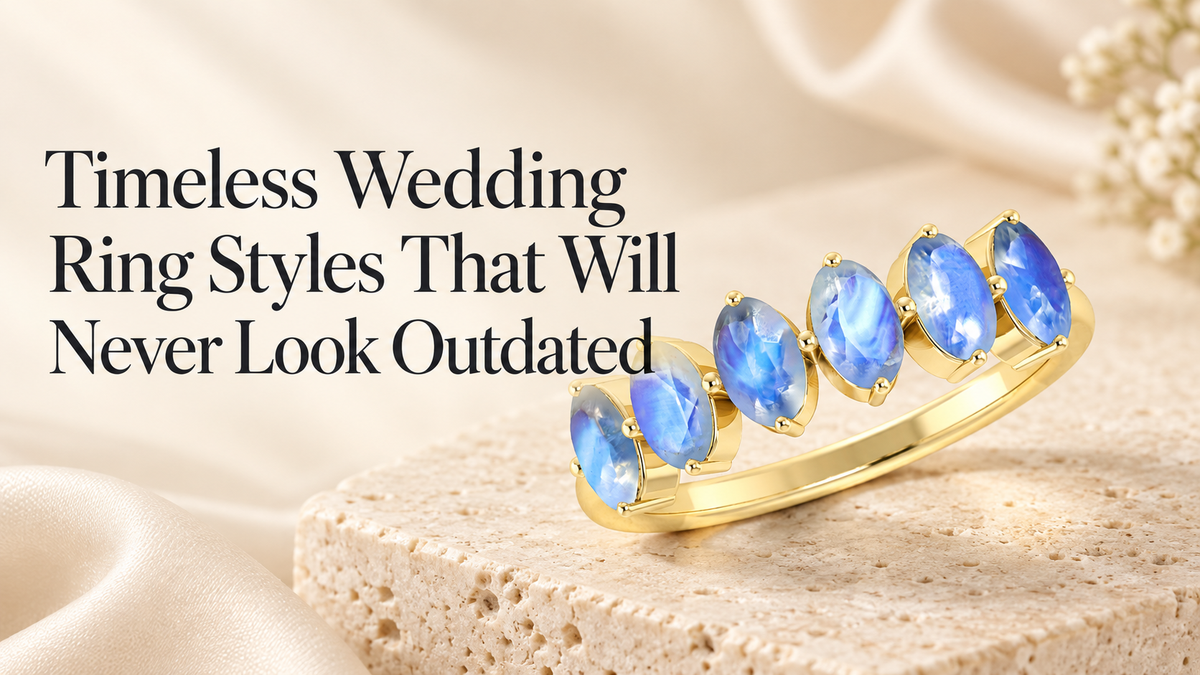
Timeless Wedding Ring Styles That Will Never Look Outdated
Wedding ring trends may change, but some designs have remained meaningful and beautiful for generations. Their appeal does not depend on a particular celebrity, fashion season, or social media trend. These rings continue to feel relevant because they are simple, balanced, and easy to wear.
Choosing a timeless wedding ring does not mean settling for something ordinary. Classic designs can still feel personal through the choice of metal, width, finish, gemstones, or engraving. The goal is to select a ring that complements your style today and still feels natural decades from now.
Whether you are shopping for a traditional wedding band or a ring to pair with an engagement ring, the following styles offer lasting beauty.
1. The Classic Plain Wedding Band
A plain wedding band is one of the most enduring styles available. Its uninterrupted circle represents commitment and unity, while its simple design works with almost every personal style.
Plain bands are available in different widths, profiles, and metals. A narrow band creates a delicate appearance, while a wider band feels more substantial. Couples can choose a polished surface for a bright finish or a matte texture for a softer, understated look.
The classic band is also easy to maintain. It has no raised stones or complicated details that can catch on clothing. This makes it practical for people who work with their hands, exercise regularly, or prefer low-maintenance jewelry.
For couples who want matching rings, plain bands can be customized in different widths while retaining the same overall appearance.
2. The Diamond Eternity Band
An eternity band features diamonds or gemstones set around the entire ring. It symbolizes never-ending love and adds continuous sparkle from every angle.
Full eternity bands create a luxurious look, but they may be more difficult to resize. A half-eternity band, with stones covering only the upper portion, offers a similar appearance with greater flexibility and everyday comfort.
Eternity rings pair particularly well with solitaire engagement rings. The row of smaller stones enhances the center diamond without competing with it. They can also be worn alone as an elegant wedding ring.
Round diamonds are the most traditional choice, although emerald, baguette, oval, and princess-cut stones can create a more distinctive design. When choosing an eternity band, make sure the setting feels smooth against the neighboring fingers.
3. The Pavé Wedding Ring
A pavé wedding ring features small diamonds placed closely together along the band. Tiny beads or prongs hold the stones in place, creating the appearance of a continuous line of light.
This style is popular because it adds sparkle without making the ring feel heavy. A thin pavé band can complement a detailed engagement ring, while a wider version can make a beautiful statement on its own.
Pavé wedding bands are available in full, half, and three-quarter designs. Half-pavé bands are often more comfortable for daily wear because the lower section remains smooth.
Although pavé rings have a delicate appearance, their construction and maintenance should be considered. The small settings should be checked periodically to ensure that the stones remain secure.
4. The Channel-Set Diamond Band
A channel-set wedding ring places diamonds between two narrow walls of metal. Since the stones sit within the band rather than above it, the surface feels smooth and protected.
This clean construction makes the style ideal for people who want diamonds without an overly delicate setting. It also offers a polished, modern appearance that has remained popular for decades.
Round and princess-cut diamonds are commonly used in channel settings. Princess-cut stones can sit closely together with fewer visible gaps, while round diamonds produce a softer and more traditional sparkle.
A channel-set band can be paired with an engagement ring or worn as a standalone wedding ring. Its balanced design works particularly well with contemporary and geometric jewelry.
5. The Curved Wedding Band
Not every engagement ring allows a straight wedding band to sit comfortably beside it. A curved or contoured band is designed to follow the shape of the engagement ring, creating a more connected appearance.
Some curved bands have a gentle arc, while others use a pointed or V-shaped design. The curve may be plain or decorated with diamonds and gemstones.
This style has been used for many years because it solves a practical problem while adding visual interest. When properly matched, the engagement ring and wedding band appear to have been designed as one complete set.
If you are considering a curved band, try it with your engagement ring before purchasing. The shape, height, and spacing should align without creating unnecessary gaps or pressure between the rings.
6. The Milgrain Wedding Ring
Milgrain is a decorative technique that adds tiny metal beads along the edges of a ring. The detail is subtle, but it gives the design a refined, vintage-inspired finish.
Milgrain wedding rings appeal to couples who appreciate antique jewelry but want a style that is easy to wear. The beaded border can frame a plain metal band, surround a row of diamonds, or highlight engraved details.
The technique is often associated with Art Deco and Edwardian jewelry. However, when used carefully, it does not make a ring feel dated. Instead, it adds texture and craftsmanship to an otherwise simple design.
Milgrain works especially well in platinum and white gold, although yellow and rose gold versions create a warmer, more romantic appearance.
7. The Bezel-Set Diamond Band
In a bezel setting, a narrow rim of metal surrounds each diamond or gemstone. This provides additional protection and gives the ring a smooth, contemporary finish.
Bezel-set bands have a clean appearance that works with both modern and vintage engagement rings. The surrounding metal defines the shape of each stone, allowing round, oval, emerald, or other cuts to stand out.
This setting is a practical choice for people with active lifestyles because it has fewer exposed edges than many prong settings. The stones are less likely to snag on clothing or come into direct contact with hard surfaces.
A bezel-set wedding ring can include a continuous row of stones or a few carefully spaced diamonds for a more minimal look.
8. The Engraved Wedding Band
Engraving turns a simple wedding ring into a personal keepsake. A couple may add their wedding date, initials, a meaningful phrase, geographic coordinates, or a private message inside the band.
Decorative engraving can also be placed on the outside. Floral patterns, geometric lines, and hand-carved textures give the ring character without relying on gemstones.
An engraved band remains timeless when the design has personal significance. Unlike a temporary fashion detail, a meaningful message becomes more valuable as the years pass.
Before choosing an engraving, check how much space is available. Narrow rings may only accommodate a short date or set of initials, while wider bands provide room for longer messages.
9. The Three-Stone Wedding Ring
Three-stone rings are often associated with the past, present, and future of a relationship. Although they are commonly chosen as engagement rings, smaller three-stone designs can also work beautifully as wedding bands.
The stones may be the same size or arranged with a larger center stone. Diamonds provide a classic appearance, while colored gemstones can represent birth months, anniversaries, or family members.
A three-stone wedding ring offers symbolism without requiring a fully diamond-covered band. Its balanced arrangement has an elegant appearance that is unlikely to lose its appeal.
10. The Mixed-Metal Wedding Ring
Mixing metals may sound like a modern trend, but two-tone wedding rings have been worn for generations. Combining yellow gold with white gold or platinum creates contrast and makes the ring easier to coordinate with other jewelry.
A two-tone band may feature a white metal center with yellow gold edges, interlocking bands, or a contrasting inlay. The design can be subtle or bold, depending on the width and placement of each metal.
Mixed-metal rings are especially useful when partners prefer different metal colors but still want coordinated wedding bands. One ring can emphasize yellow gold while the other highlights white gold, using both metals to connect the designs.
11. The Sapphire and Diamond Band
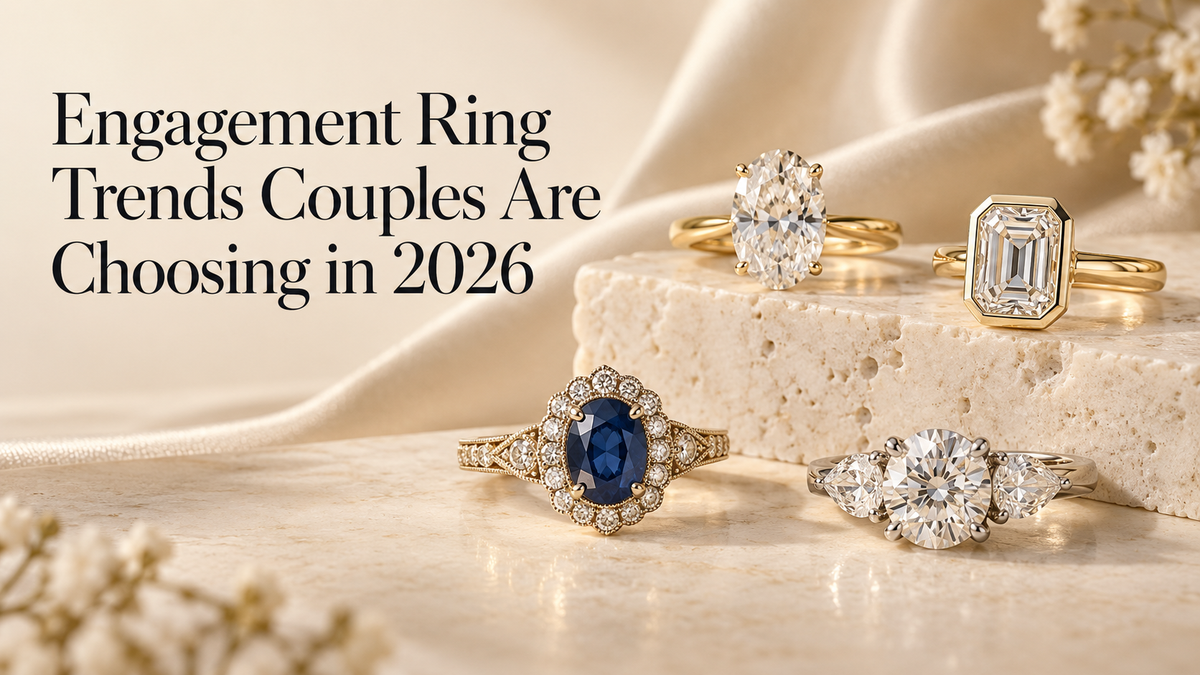
Sapphires have been used in fine jewelry for centuries, making them a dependable choice for a timeless wedding ring. Their deep blue color creates an elegant contrast with white diamonds and precious metals.
A sapphire and diamond band can feature alternating stones, a central sapphire, or small blue accents. The combination feels traditional but still offers more personality than an all-diamond ring.
Sapphires are also durable enough for regular wear when properly set. Although blue is the best-known color, sapphires are available in pink, yellow, green, and other shades.
For a meaningful detail, couples may choose sapphires because the stone is often associated with loyalty, trust, and sincerity.
Choosing the Right Metal
The metal plays an important role in the appearance, durability, and maintenance of a wedding ring.
Yellow Gold
Yellow gold has a warm, traditional appearance and works beautifully with classic and vintage-inspired designs. Fourteen-karat gold is widely chosen in the United States because it offers a practical balance of durability and gold content.
White Gold
White gold has a bright, contemporary appearance that complements diamonds. It is generally coated with rhodium to create its reflective finish and may require occasional replating.
Rose Gold
Rose gold receives its warm pink tone from the copper mixed with gold. It feels romantic and distinctive while still being easy to combine with traditional ring styles.
Platinum
Platinum is naturally white, dense, and durable. It develops a soft patina over time, which many people appreciate. It is often more expensive than gold but remains a popular choice for rings intended for daily wear.
How to Choose a Wedding Ring You Will Love for Years
A timeless wedding ring should be beautiful, but it should also suit your everyday life. Before buying, consider how the ring feels during normal activities and how much maintenance you are willing to manage.
Keep the following points in mind:
- Choose a comfortable width and profile.
- Consider whether the ring will be worn alone or with an engagement ring.
- Select a setting that protects the stones appropriately.
- Make sure the metal suits your skin sensitivity and lifestyle.
- Check whether the design can be resized in the future.
- Set a realistic budget without following outdated spending rules.
- Choose personal details because they matter to you, not simply because they are popular.
When pairing a wedding band with an engagement ring, consider the height, metal color, stone placement, and overall proportions of both pieces. The rings do not need to match perfectly, but they should feel visually balanced when worn together.
Final Thoughts
The most timeless wedding ring styles share a few qualities: thoughtful proportions, comfortable construction, quality materials, and personal meaning.
A plain gold band can feel just as special as a diamond eternity ring. A curved band may complete an engagement ring perfectly, while an engraved message can turn a simple design into something no other couple owns.
Trends can be useful for inspiration, but your wedding ring will be worn long after those trends change. Choose a style that fits your life, complements your jewelry, and reminds you of the commitment it represents. That is what allows a wedding ring to remain beautiful year after year.
Frequently Asked Questions
What is the most timeless wedding ring style?
A plain gold or platinum band is generally considered the most timeless option. Its simple design works with nearly every personal style and can be worn comfortably for decades.
Should a wedding ring match the engagement ring?
It does not have to match exactly. The rings should sit comfortably together and feel visually balanced. Mixing metals, textures, and stone settings can create a more personal combination.
Are diamond wedding bands timeless?
Yes. Pavé, channel-set, bezel-set, and eternity bands have remained popular for many years. Choosing a secure setting and balanced design helps ensure lasting appeal.
Which wedding ring metal is best for everyday wear?
Platinum and 14-karat gold are popular options for everyday wear. The right choice depends on budget, preferred color, maintenance expectations, and skin sensitivity.
Can wedding rings be resized?
Many plain and partially set bands can be resized. Full eternity rings and highly detailed designs may be difficult or impossible to resize, so this should be discussed with the jeweler before purchasing.
How much should couples spend on wedding rings?
There is no required amount. Couples should choose a comfortable budget based on their financial situation, desired materials, and design preferences rather than following a fixed spending rule.