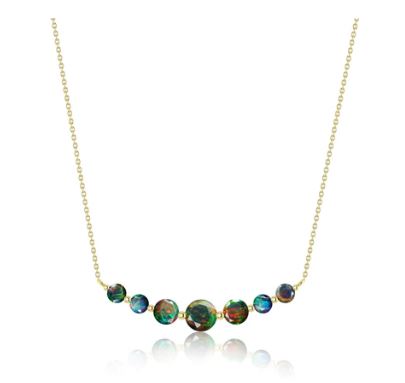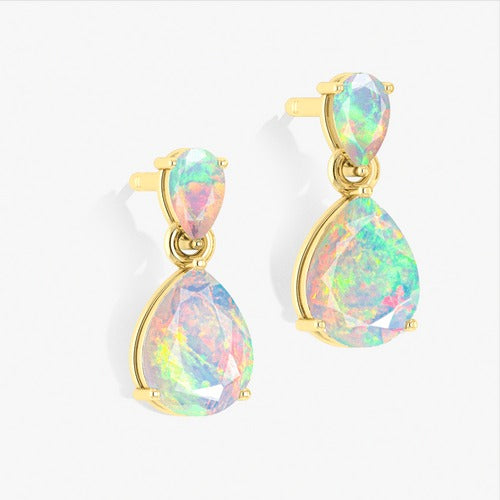
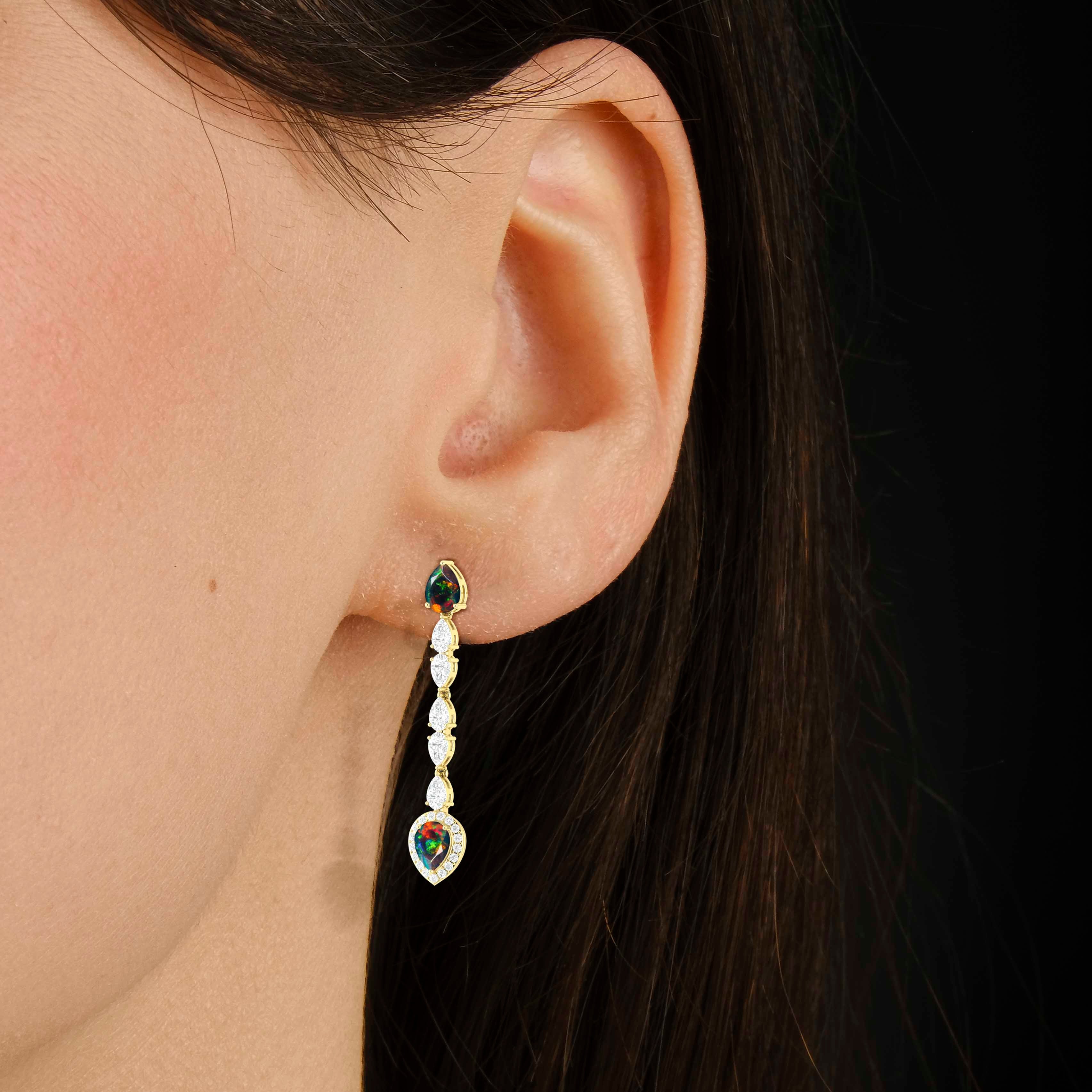
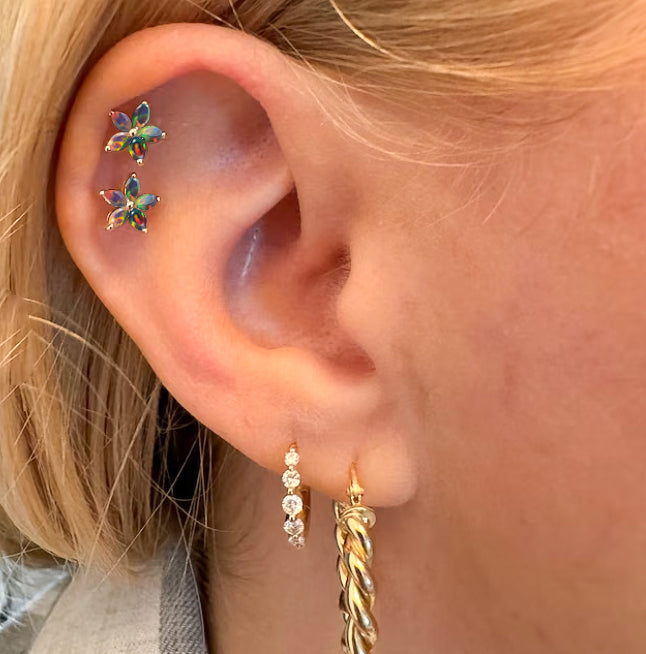
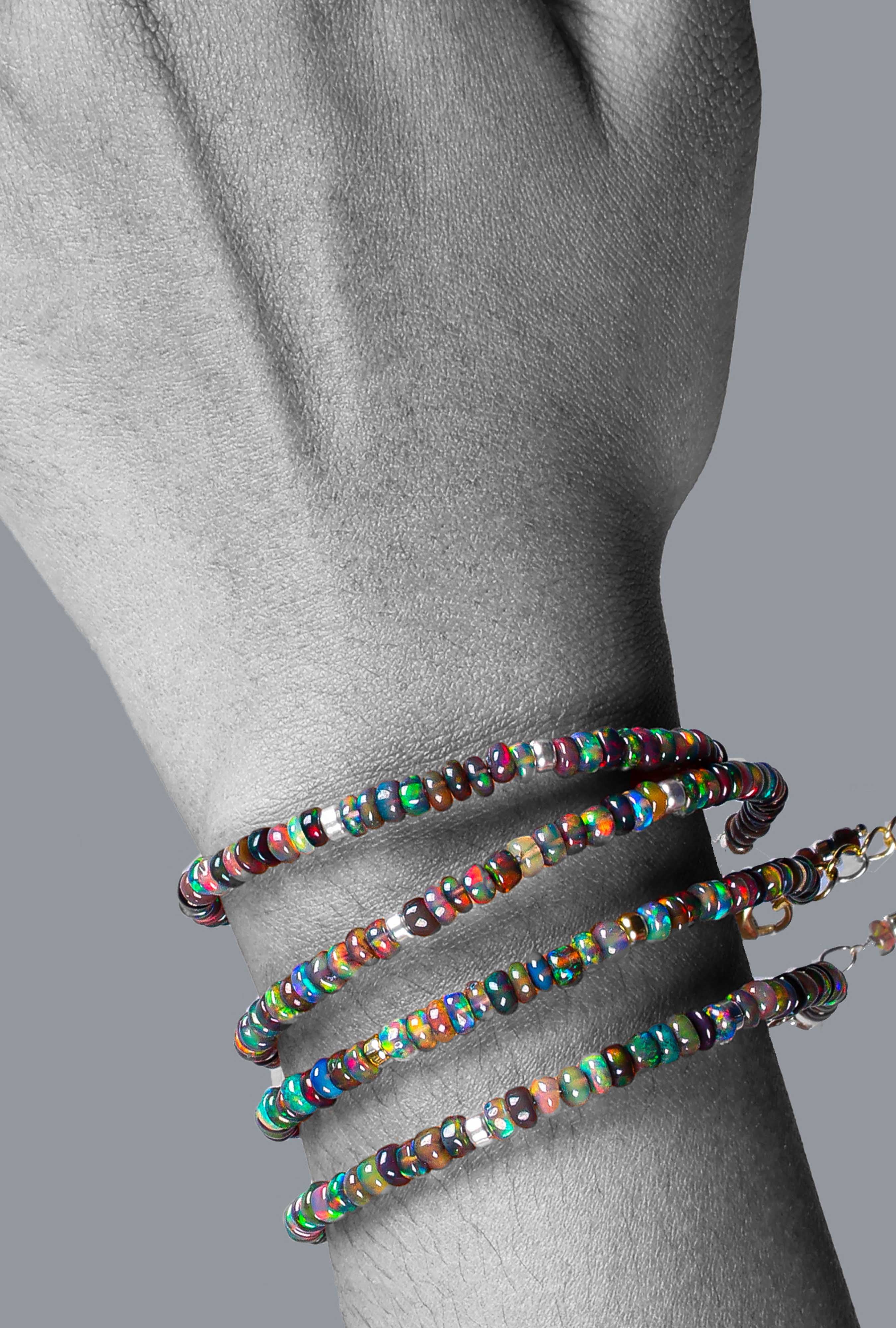
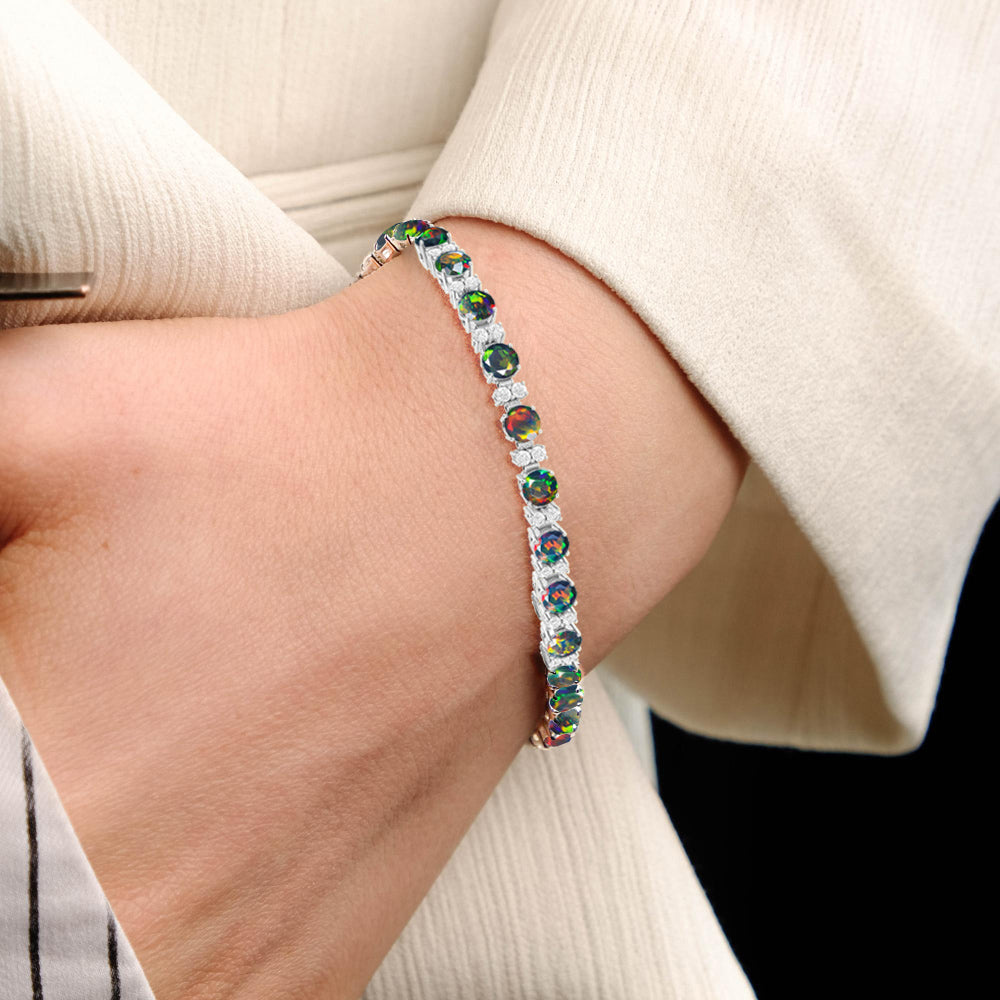
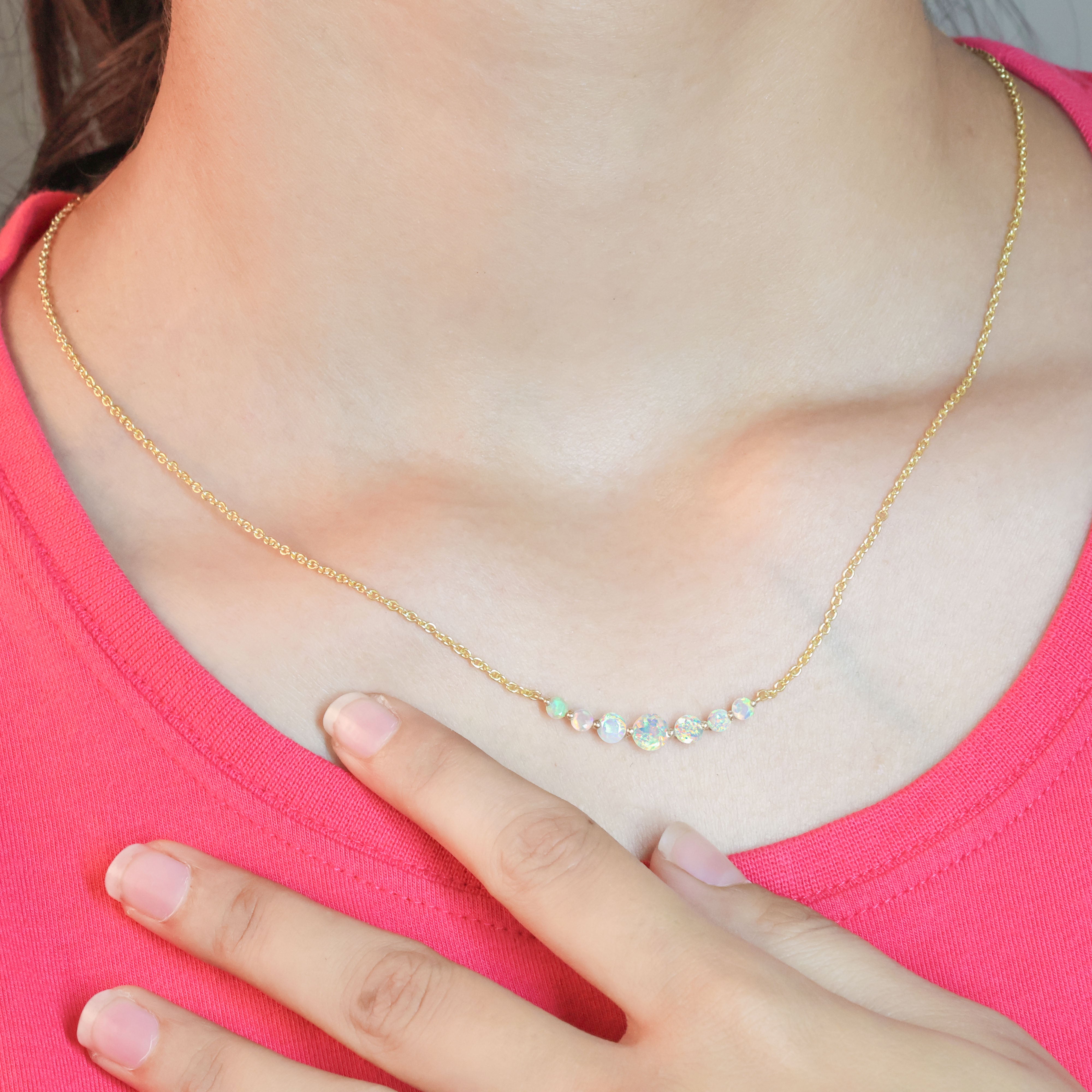
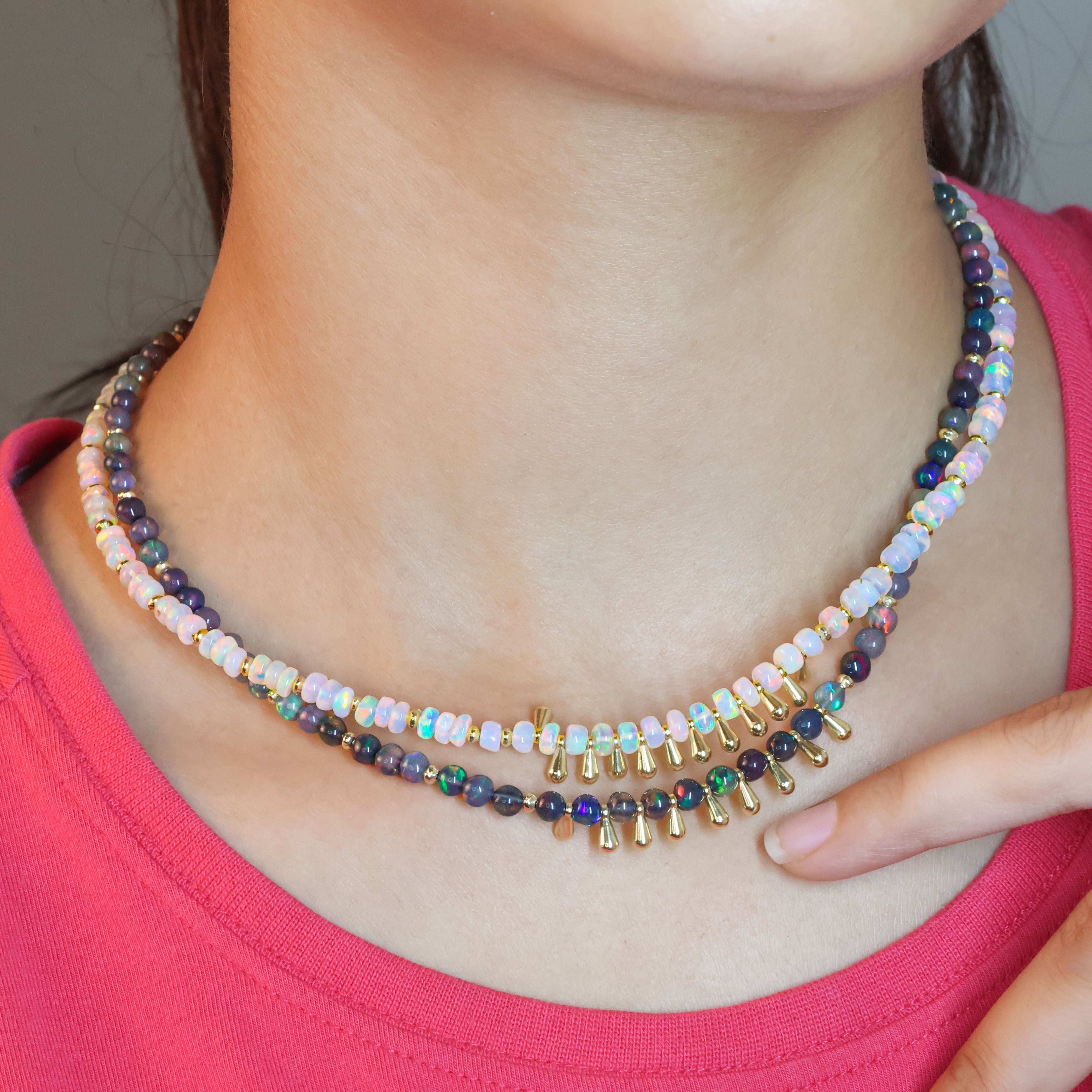
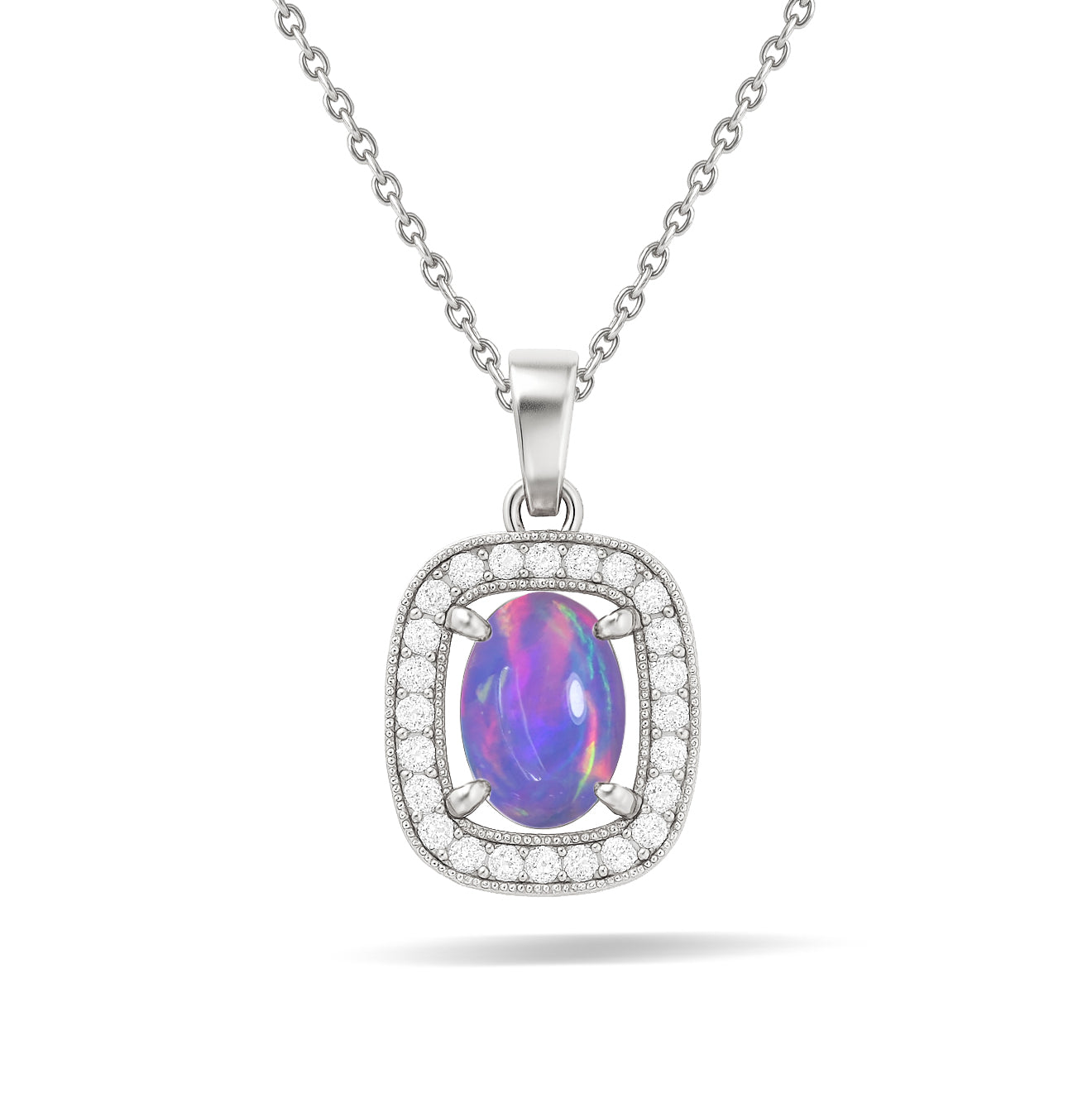
Spot Real vs Fake Opals - 2025 Guide.
Opals are among the most captivating gemstones in the world, known for their shifting play-of-color, depth, and individuality. But with their growing demand, the market is now full of imitation stones, synthetic opals, resin-filled stones, and artificially enhanced pieces that look deceivingly real. As a result, shoppers in 2025 must understand exactly how to differentiate genuine opals from fakes.
What Makes a Real Opal Unique?
A real opal whether Australian, Ethiopian, Mexican, or Boulder—has natural internal structure formed over millions of years. This structure bends and diffracts light, producing opal’s trademark play-of-color: flashes of blue, green, red, pink, and orange.
Key traits of genuine opals:
-
No two stones look the same
-
Organic, irregular patterns
-
Depth and dimension in color
-
Imperfect natural inclusions
-
Diffused, layered patches of fire
In contrast, fake opals often appear flat, overly perfect, or artificially patterned.
The 2025 Market: Types of Fake Opals You Will See
Before learning how to identify real opals, you must understand the types of fake or enhanced opals commonly sold today:
1. Synthetic Opals (Lab-Created)
Made in laboratories with controlled color patterns.
They are real opal material, but not naturally formed.
2. Imitation/Glass/Resin Opals
These were never opal to begin with.
Examples include:
-
Glass with glitter
-
Resin or plastic with artificial flakes
-
Foil-backed stones
3. Doublets and Triplets
Real, thin opal slices adhered to backing layers or topped with quartz domes.
They are partially real, but not solid opal.
4. Treated or Dyed Opals
Real but chemically altered to appear brighter.
Understanding these categories makes spotting fakes far easier.
How to Identify Real vs Fake Opal: The 2025 Expert Checklist
Below is the complete modern guide used by gemologists and jewelers.
1. Look at the Play-of-Color (Natural vs Artificial)
Real opals have:
-
Irregular, soft-edged color patches
-
Uneven, organic patterns
-
Deep color layers
-
Different colors visible at different angles
Fake opals often show:
-
Perfect repeating patterns
-
Grid-like or snake-skin patterns
-
Color that looks printed
-
Identical patterns across multiple stones
When two opals look exactly the same, they are almost certainly synthetic.
Check for Column Patterns (Synthetic Opal Warning Sign)
Lab opals frequently display:
-
Straight vertical columns
-
“Lizard skin” texture
-
Uniform color blocks
If the opal shows an overly neat pattern, it's likely synthetic.
3. Examine the Back of the Stone
Turn the opal around and inspect the back:
Real Solid Opal
-
Rough or uneven natural texture
-
Color visible through the stone
-
No layers
Imitation Opal
-
Smooth, plastic-like backing
-
Painted or foil backing
-
No natural grain
Doublet
-
A straight, visible separation line between layers
Triplet
-
A clear domed cap on top
-
Visible glue lines
Backing inspection is one of the fastest ways to detect fakes.
4. Look for Weight Differences
Real opals—especially solid Australian opals—are heavier than resin or plastic fakes.
Fake opals feel:
-
Too light
-
Hollow
-
Inauthentic when compared to metal setting
When an opal necklace or earring feels unusually weightless, the stone is probably imitation.
5. Magnification Test (10x Jeweler’s Loupe)
Under magnification:
Real Opal Shows:
-
Natural inclusions
-
Tiny cracks or cloudiness (not always)
-
Uneven patches of color
Fake/Lab Opal Shows:
-
Perfect color grid
-
Repeated triangles or dots
-
Uniformity with no natural flaws
Magnification is one of the most reliable tests for verifying opal authenticity.
6. Water Absorption Test (For Ethiopian Opals)
Ethiopian opals are hydrophane, meaning they absorb water.
Real Ethiopian opals may:
-
Change temporarily in transparency
-
Darken slightly or lighten
Fake opals will not change at all.
Never submerge doublets/triplets since water can damage the glue layers.
7. UV Light Test
Place the opal under UV light:
-
Some real opals fluoresce
-
Fake resin opals may show an unnatural neon glow
This test is helpful but not conclusive on its own.
8. Temperature Test
Real opal stays cool longer because it's a natural mineral.
Fake opals made from plastic or resin warm up quickly in your hand.
9. Price Reality Check
If an opal necklace or earring is unusually cheap, the stone is probably:
-
Synthetic
-
Imitation
-
Treated
-
Composite
Real premium opals—especially Australian pieces—are valuable gemstones.
10. Buy From Reputable Sellers Only
Authenticity depends on the seller.
Choose brands with:
-
Transparency about stone type
-
Certifications when applicable
-
Real photographs
-
Clear opal origin labeling
Real vs Fake Opal Comparison Table
|
Feature |
Real Opal |
Fake/Synthetic Opal |
|
Pattern |
Irregular, organic |
Repeating, perfect |
|
Layers |
None |
Often layered |
|
Weight |
Heavier |
Very light |
|
Texture |
Natural |
Plastic-like |
|
Color Depth |
Multi-dimensional |
Flat or printed |
|
Glow |
Natural fire |
Artificial shine |
How to Protect Yourself When Shopping Online
In 2025, the safest approach is:
-
Read product descriptions carefully
-
Avoid sellers who use vague terms like “opal-like” or “synthetic opal look”
-
Always check return policies
-
Compare photos under multiple angles
-
Look for video demonstrations.