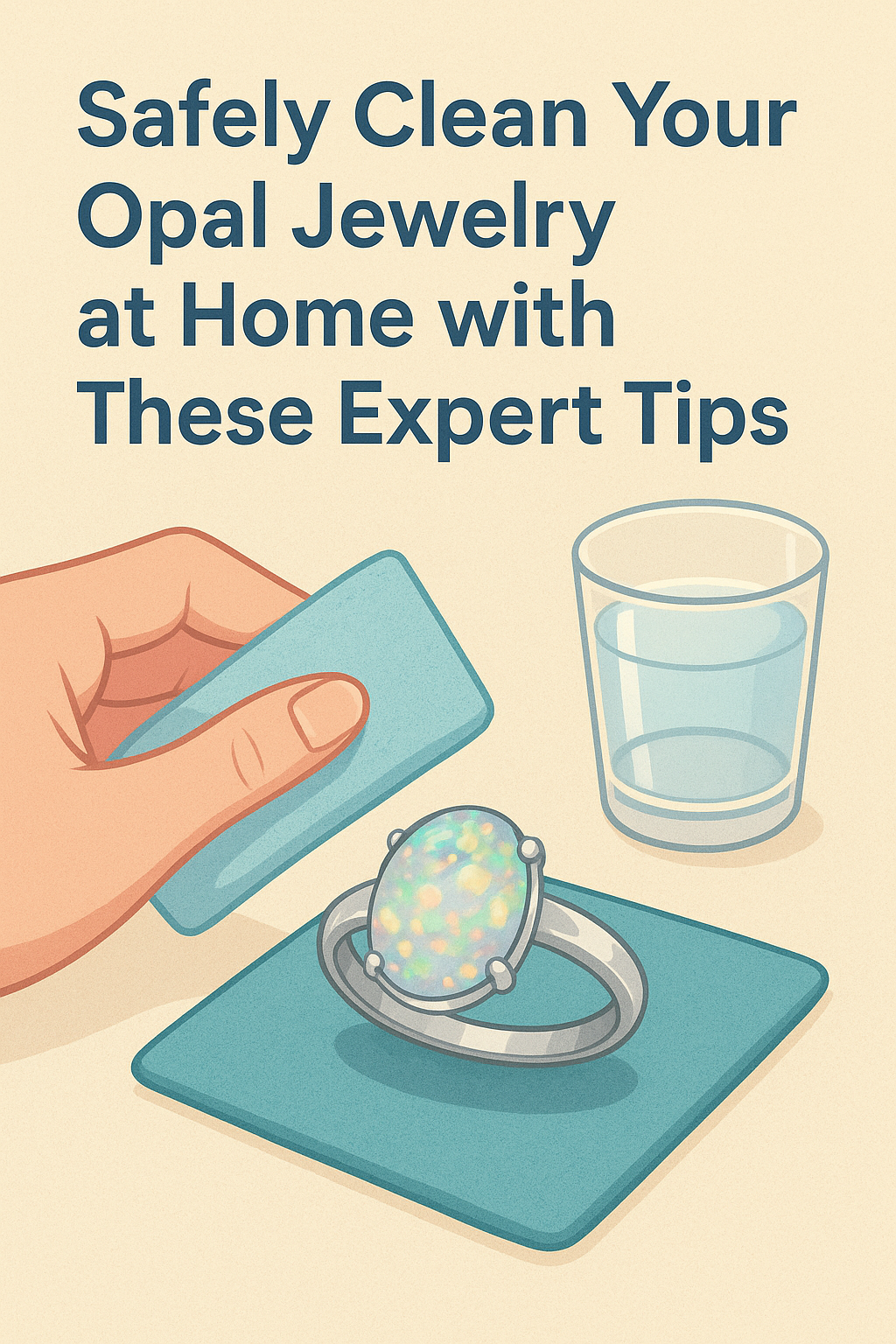
Safely Clean Your Opal Jewelry at Home with These Expert Tips
Opal jewelry is admired for its brilliant flashes of color and unique natural beauty, but opals require careful handling to preserve their shine. Unlike harder gemstones such as diamonds or sapphires, opals are more delicate and sensitive to chemicals, heat, and rapid temperature changes. Whether you wear an opal necklace daily or own an opal engagement ring, learning how to clean it safely at home is essential for maintaining its brilliance.
Understanding Your Opal: Solid, Doublet, or Triplet?
Before cleaning your jewelry, you must know what type of opal you own.
1. Solid Opal
A single natural stone with no added layers.
Safe for gentle cleaning with water.
2. Opal Doublet
A thin opal layer glued to a backing (ironstone, black glass, etc.).
Exposure to water can weaken the adhesive.
3. Opal Triplet
A thin opal layer sandwiched between a backing and a clear quartz or resin cap.
Very sensitive to water penetration.
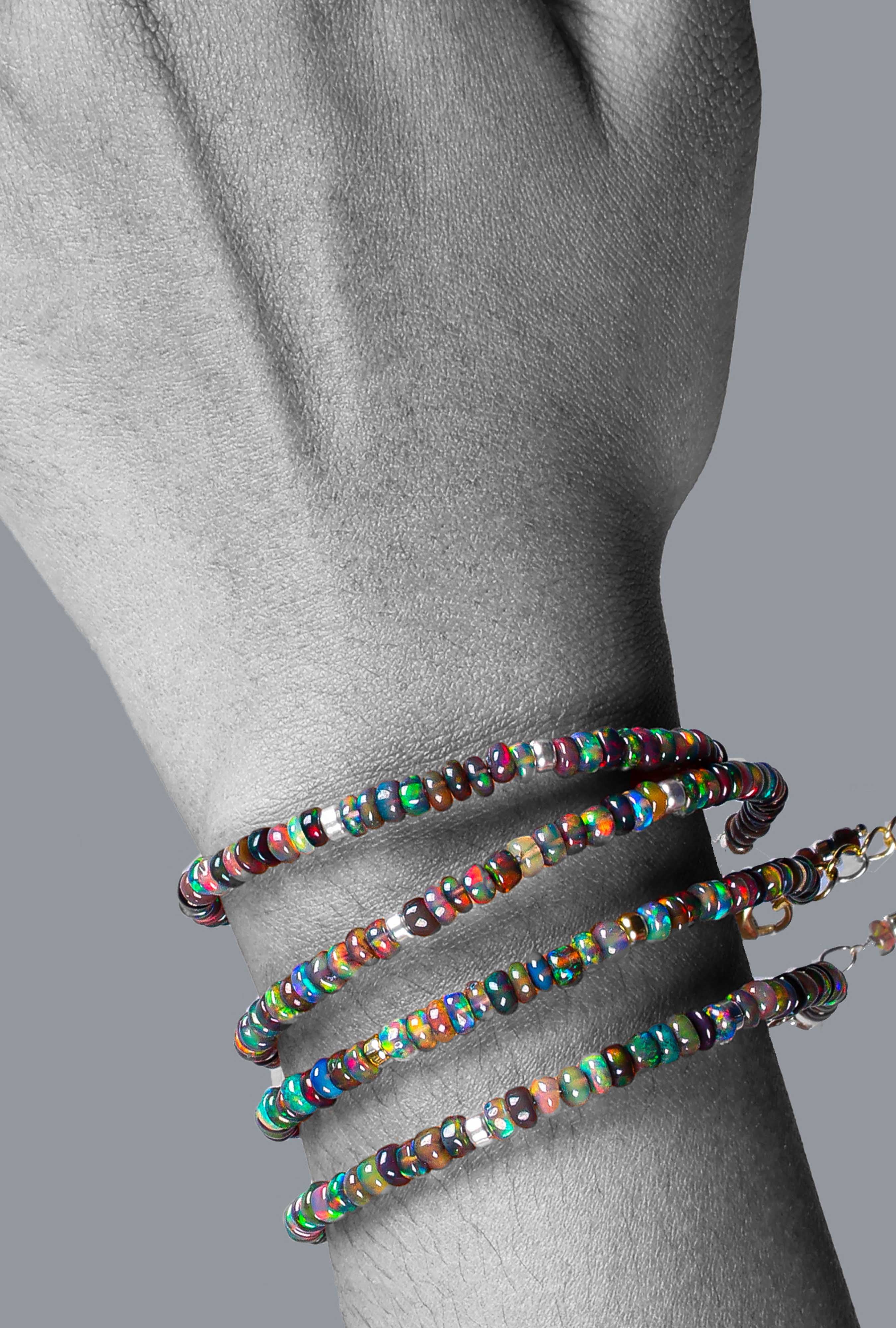
4. Ethiopian Opal (Hydrophane)
Absorbs water and may temporarily change color or clarity.
Understanding your opal ensures you use the correct cleaning method.
Australian opal vs Ethiopian opal
How to Clean Solid Opal Jewelry Safely
Solid Australian opals are the most durable and easiest to clean.
Step-by-step method:
-
Prepare a small bowl of lukewarm water.
-
Add a few drops of mild, fragrance-free soap.
-
Dip a soft cloth or microfiber pad into the soapy water.
-
Gently wipe the opal surface.
-
Use a soft baby toothbrush only on the metal—not the stone.
-
Rinse the cloth with clean water and wipe again.
-
Dry immediately with a soft, lint-free cloth.
Avoid soaking for long periods, but brief cleaning is safe.
How to Clean Opal Doublets and Triplets
Doublets and triplets should never be soaked because water may seep into the layers.
Safe method:
-
Use a damp (not wet) cloth with mild soap.
-
Wipe the surface of the stone gently.
-
Avoid edges where layers meet.
-
Dry immediately with a clean cloth.
Never place layered opals in water, ultrasonic cleaners, or near steam.
How to Clean Ethiopian Opal (Hydrophane) Jewelry
Ethiopian opals absorb water, which may cause temporary:
-
Cloudiness
-
Transparency changes
-
Darkening
This is normal, and the stone usually returns to its original appearance once fully dry.
Best cleaning method:
-
Wipe gently with a barely damp cloth.
-
Do not soak.
-
Keep away from soaps, detergents, and oils that may enter the stone.
-
Allow to dry naturally in a cool environment.
This method protects the stone’s delicate structure.
How to Clean Opal Rings, Earrings, and Necklaces
Cleaning Opal Rings
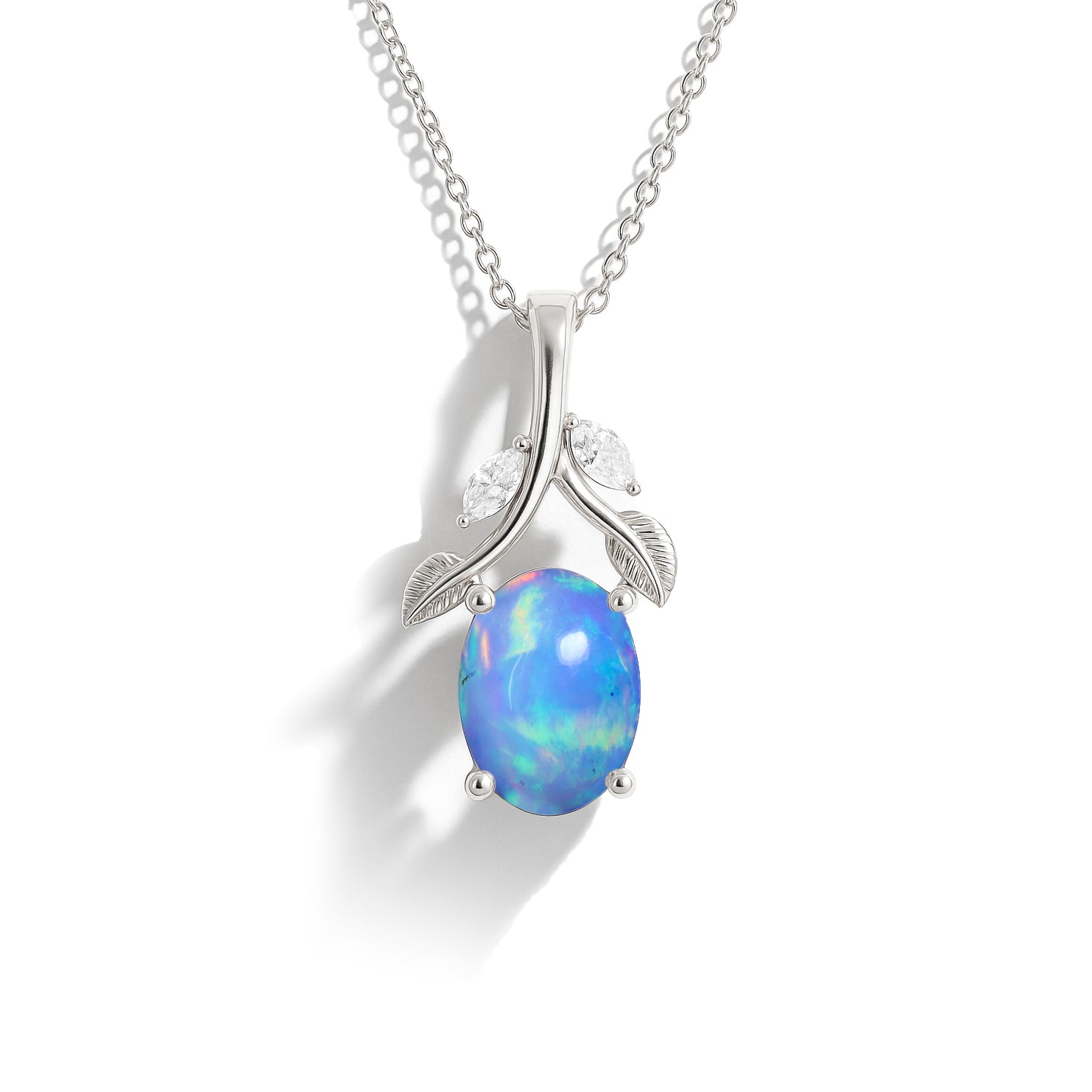
Rings collect the most dirt because they come into contact with skin oils, lotions, sanitizers, and soap.
-
Wipe with mild soapy water using a cloth.
-
Clean the metal band separately with a soft brush.
-
Avoid soaking doublet/triplet rings.
-
Remove rings during cleaning, workouts, swimming, and gardening.
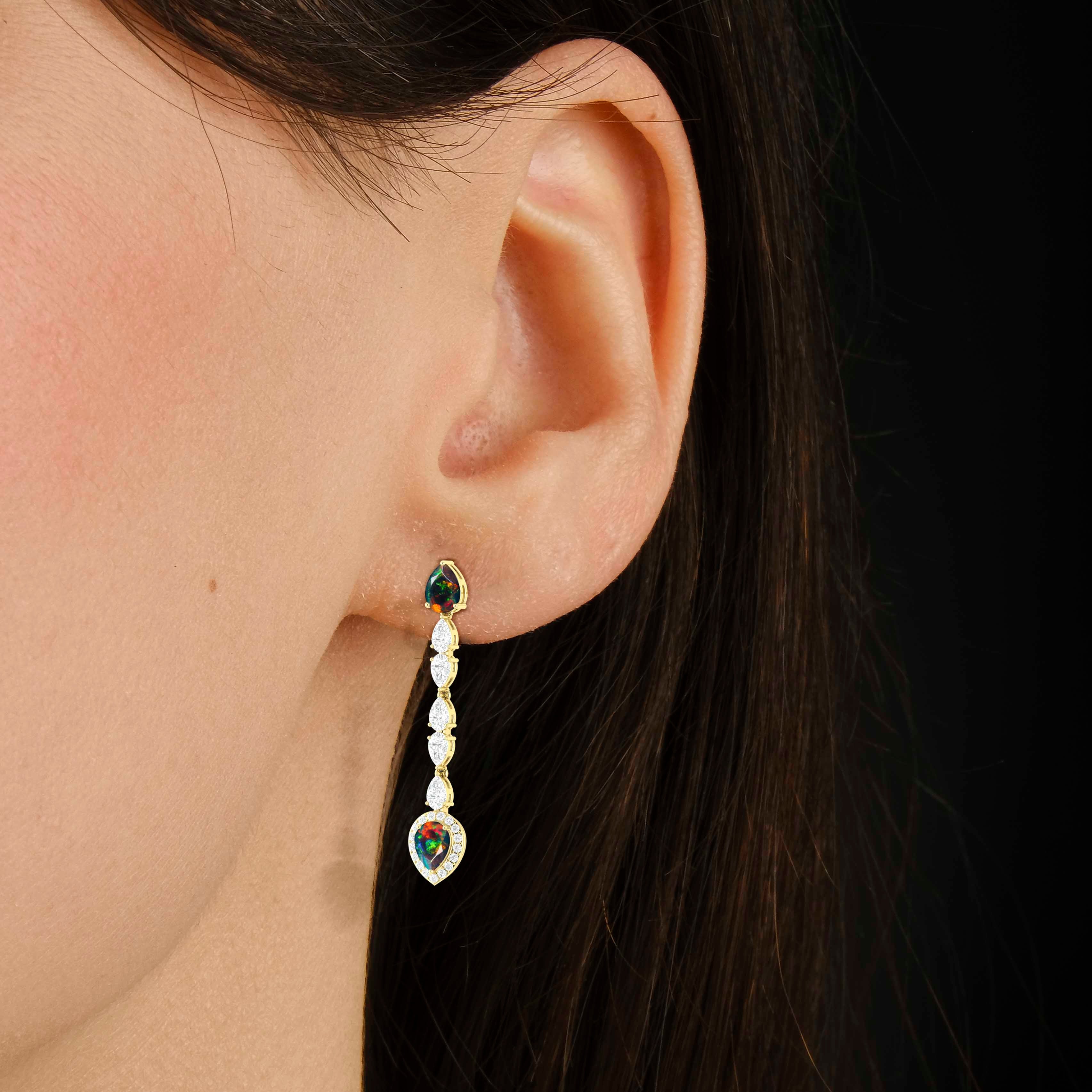
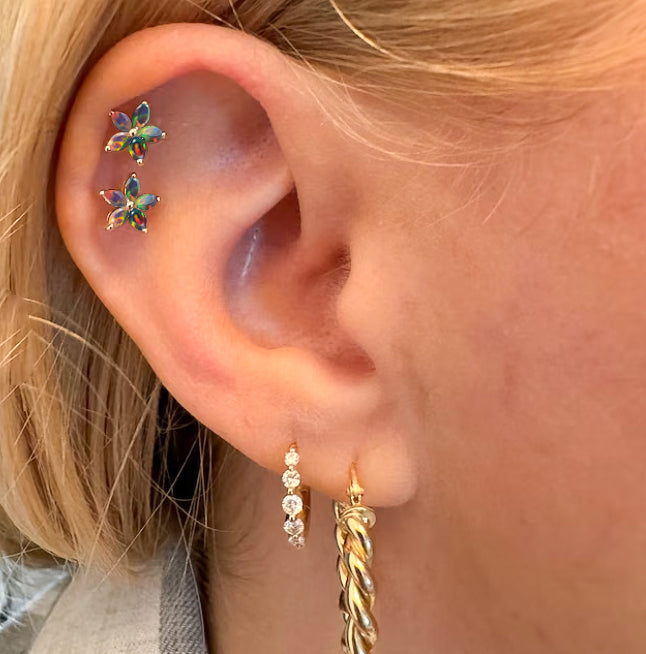
Cleaning Opal Earrings
Earrings are easier to maintain because they do not contact surfaces or liquids frequently.
-
Wipe with a damp cloth after each wear.
-
Clean the posts with warm soapy water.
-
Polish the metal gently.
Cleaning Opal Necklaces
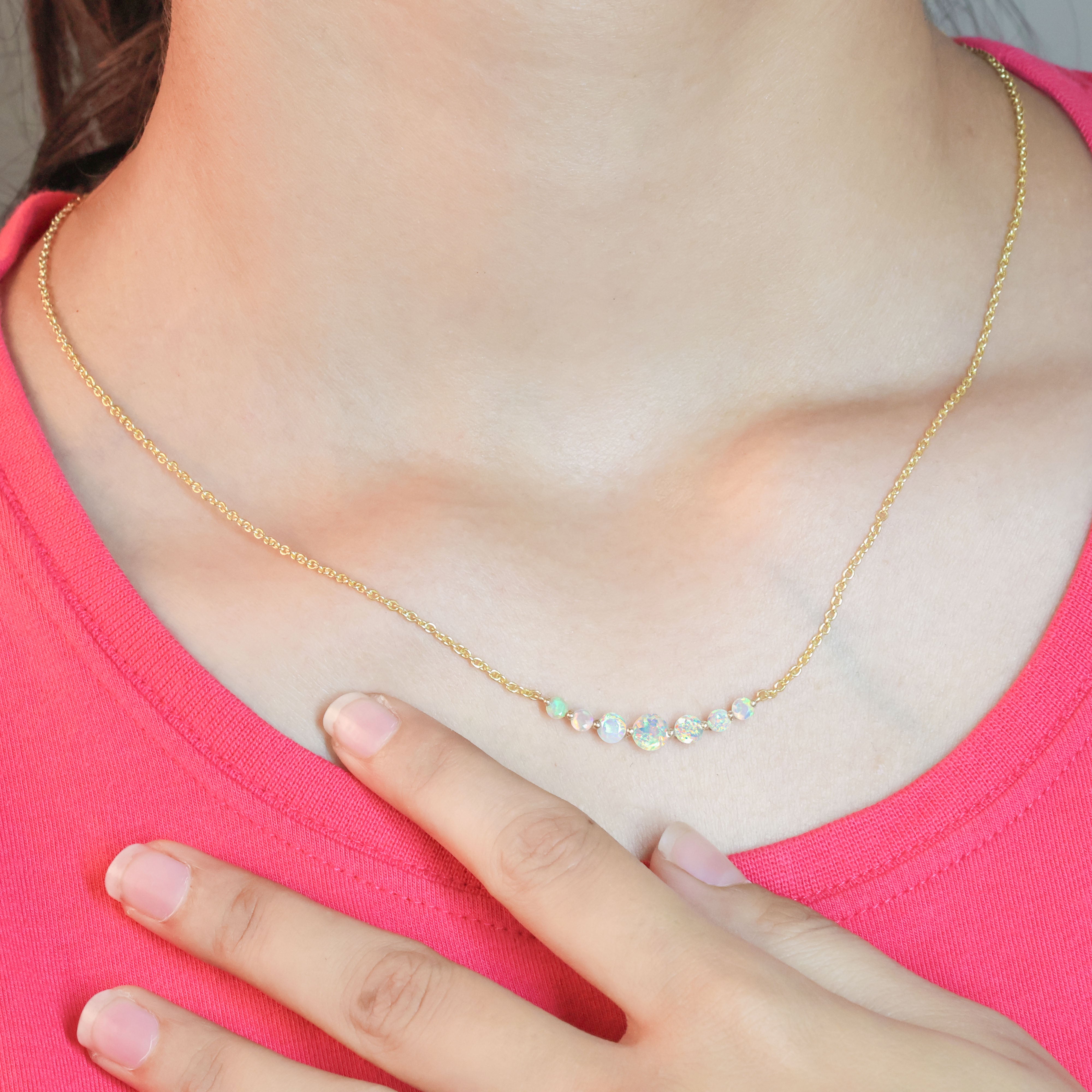
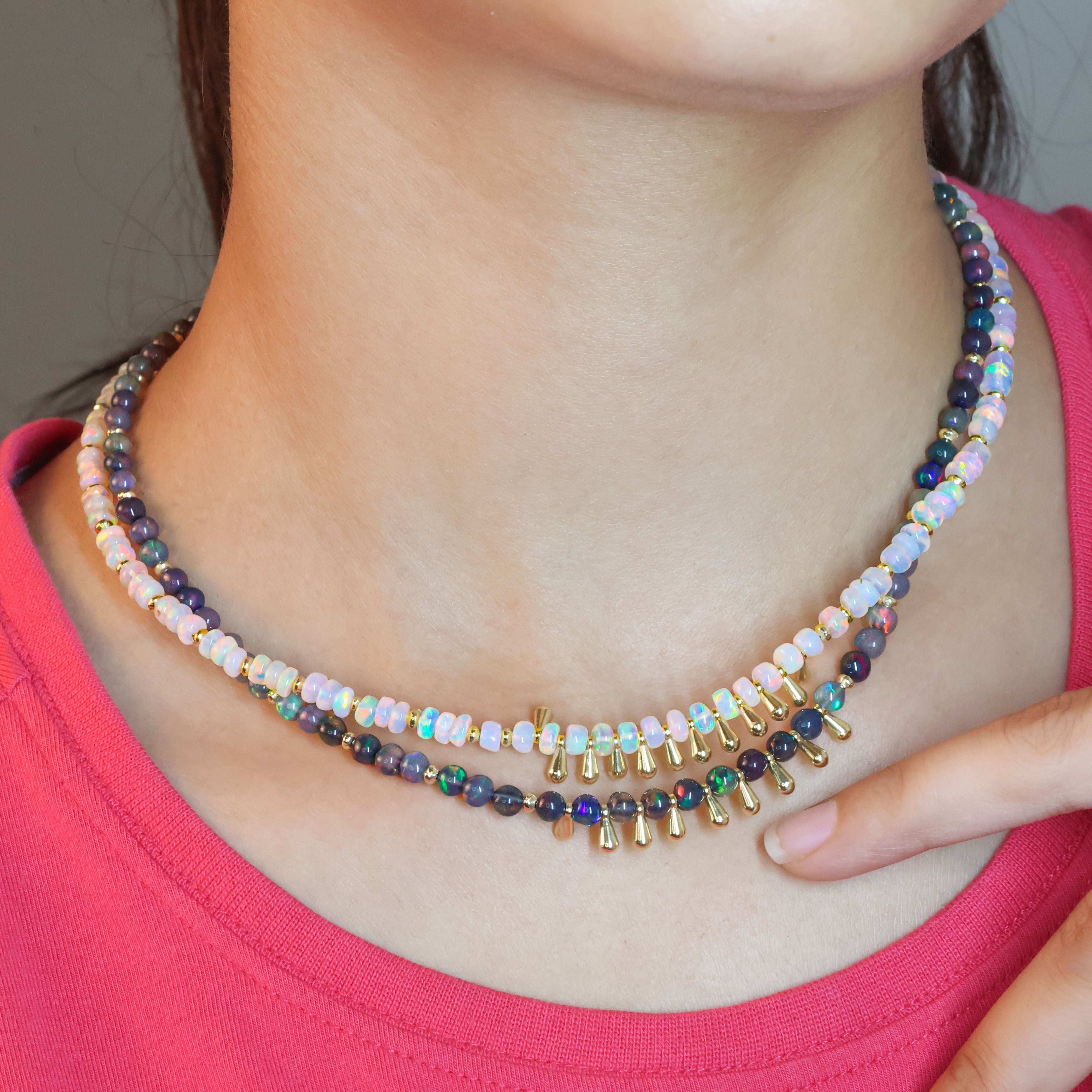
Necklaces only need occasional cleaning unless they are worn daily.
-
Wipe the opal gently with a cloth.
-
Clean chain metals using mild soapy water.
-
Dry completely before storing.
Professional Cleaning: When Should You Consider It?
Seek a jeweler if:
-
The opal is extremely dirty
-
Dirt is trapped behind prongs
-
The stone appears scratched
-
The setting feels loose
-
The opal shows long-term cloudiness
Professional jewelers use manual polishing techniques safe for opals.
Never allow jewelers to use ultrasonic cleaners on opal jewelry.
Common Mistakes to Avoid When Cleaning Opals
-
Never use boiling water or steam.
Opals are heat sensitive. -
Avoid ultrasonic or vibration-based cleaners.
They may crack the stone. -
Do not use chemicals like bleach, alcohol, or ammonia.
These damage the surface and weaken settings. -
Never soak doublets or triplets.
Water damage causes peeling and fogging. -
Keep opals away from sudden temperature changes.
This is especially important for Ethiopian opals. -
Avoid harsh scrubbing.
Opals have a softer surface than many gemstones.
Opal Jewelry Guide
How to Store Opal Jewelry Safely
Proper storage protects opals from scratches and dryness.
-
Keep each piece in a soft pouch or lined jewelry box.
-
Store separately to avoid scratching with harder stones.
-
Keep away from direct sunlight, heaters, and humidity.
-
For solid opals, occasional slight humidity is beneficial.
-
For Ethiopian opals, keep in stable, dry conditions.
How Often Should You Clean Opal Jewelry?
-
Daily-wear pieces: every one to two weeks
-
Earrings: monthly
-
Necklaces: every two to three months
Proper care prolongs their life and preserves color intensity.
-
cleaning layered opal doublet and triplet jewelry